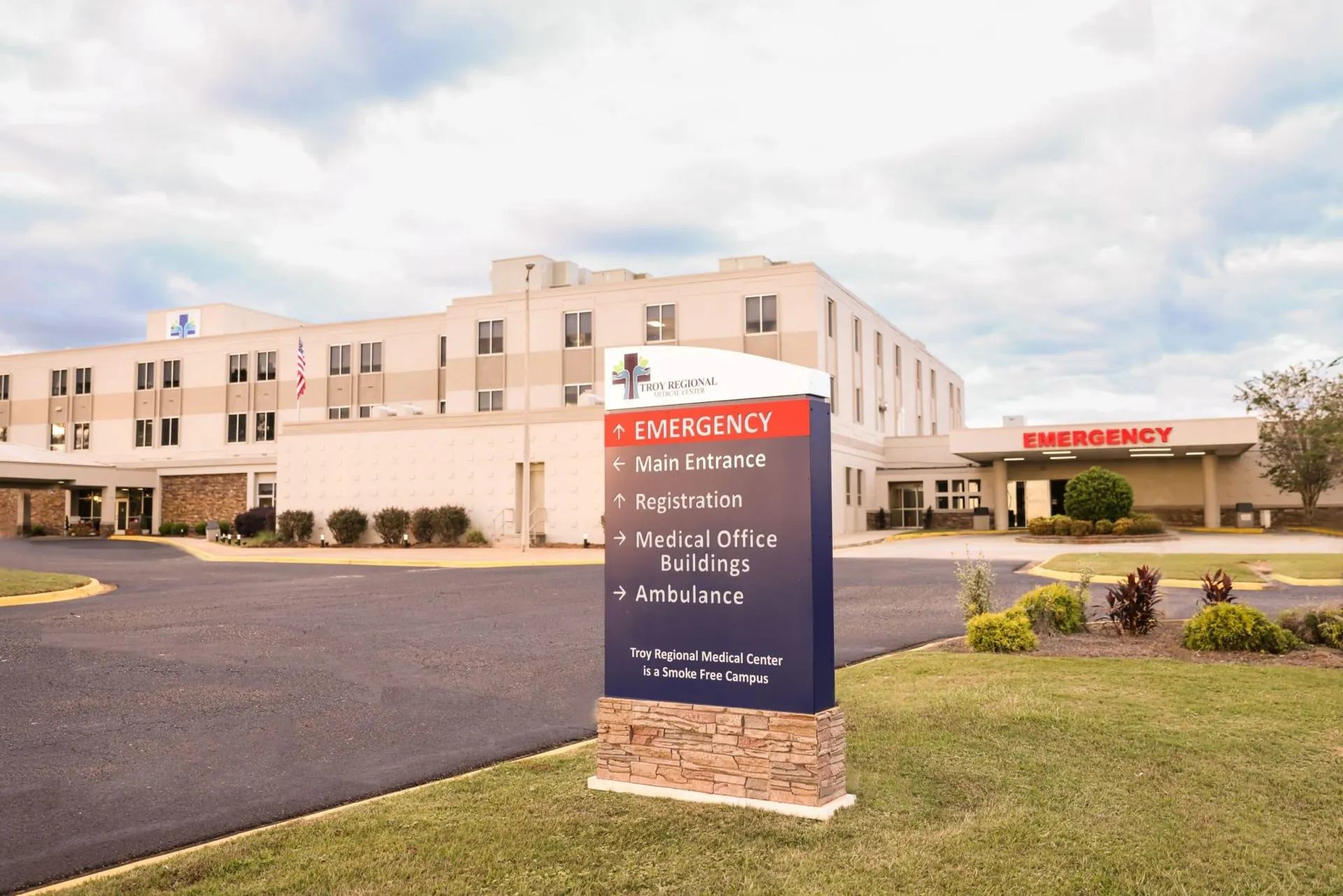
With healthcare facilities under financial pressure and patients facing long journeys for essential services, Alabama is investing in rural hospitals and healthcare. But questions remain about whether the funding can provide lasting stability.
MONTGOMERY, Ala. — For many Alabama communities, a rural hospital is more than a place to receive medical treatment. It is a source of emergency care, a major local employer and a critical part of the infrastructure that allows families and businesses to remain in smaller towns.
But across the state, rural healthcare facilities are confronting financial pressures that threaten their ability to maintain services, recruit medical professionals and remain operational.
A new report from the American Hospital Association, released October 13, highlights the growing challenges facing rural hospitals nationwide. The report warns that workforce shortages, inadequate reimbursement and rising operating costs are placing essential healthcare services at risk.
In Alabama, those national concerns are compounded by longstanding difficulties in accessing healthcare, particularly in communities where the nearest alternative hospital may be many miles away.
A Healthcare System Under Pressure
According to Alabama's Rural Health Transformation Program proposal, approximately 60% of the state's rural hospitals were considered at risk of closure as of August 2025, with 48% classified as facing immediate financial risk.
The same state planning document reported that 65% of rural hospitals had negative margins on patient services in 2024.
Those figures do not mean that every financially vulnerable hospital will close. They do, however, demonstrate the scale of the economic challenges confronting healthcare providers that often operate with limited patient volumes and substantial fixed costs.
A more recent assessment cited in October 2026 reporting by Alabama Political Reporter placed the share of remaining rural hospitals at immediate risk of closure at 37% as of July 2026. The differing estimates reflect different assessment periods and should not be interpreted as proof that individual hospitals have recovered.
Nationally, the American Hospital Association reports that more than 40% of rural hospitals operate at a financial loss.
The association identifies several factors contributing to the problem, including workforce shortages, geographic isolation, reimbursement pressures and changes in federal healthcare policy.
For smaller communities, the consequences can extend beyond hospital finances.
When a healthcare facility reduces services or closes, patients may need to travel farther for treatment, local employment opportunities may decline and surrounding hospitals may face additional demand.
The Growing Challenge of Maternity Care
One of the most significant consequences of reduced rural healthcare access is the disappearance of local maternity services.
Data published by the Alabama Department of Public Health show that only 15 of Alabama's 58 rural counties had labor and delivery units, based on the department's cited historical data.
The department also reports that approximately 89.8% of women in rural Alabama live more than 30 minutes from a hospital offering childbirth services, compared with 26% of women in urban communities.
These figures illustrate the geographic barriers that can affect pregnant patients seeking routine prenatal services or urgent obstetric care.
Hospital closures are not the only concern. A hospital may remain operational while eliminating certain departments because of staffing difficulties, insufficient patient volume or financial losses.
For families living in rural communities, losing a nearby labor and delivery unit can mean planning for significantly longer travel times and confronting additional logistical challenges during pregnancy.
Alabama Introduces New Financial Support
State officials and healthcare organizations have pursued new approaches to supporting financially vulnerable hospitals.
One initiative is the Alabama Rural Hospital Investment Program, established by the Legislature in 2025.
The program allows qualifying taxpayers to make contributions to eligible rural hospitals in exchange for state tax credits, subject to statutory limits.
The program began accepting contributions on January 5, 2026.
By February 4, its $20 million statewide tax-credit cap for the year had already been reached, according to the Alabama Hospital Association.
The rapid participation demonstrated substantial interest from businesses and individuals in supporting local healthcare facilities. The program's annual statewide caps are scheduled to increase to $25 million in 2027 and $30 million in 2028. However, financial contributions alone may not resolve the structural challenges affecting rural hospitals.
Facilities must also contend with staffing shortages, reimbursement levels, operating expenses and the costs of maintaining essential services.
Federal Funding Offers Another Opportunity
Alabama is also receiving federal support through the Rural Health Transformation Program.
The state was awarded approximately $203.4 million for 2026, according to reporting on Alabama's healthcare funding initiatives. The program is intended to strengthen rural healthcare delivery through investments in medical services, workforce development, technology and other improvements.
Such investments could help communities modernize healthcare infrastructure and improve access to services that have historically been difficult to maintain. But the federal program is temporary, with funding scheduled through fiscal year 2030.
That raises an important long-term question: Can Alabama use the available resources to build a rural healthcare system capable of remaining financially sustainable after temporary funding expires?
The answer will depend not only on how much money is distributed, but also on how effectively it addresses the underlying problems facing individual facilities.
Why Rural Hospital Stability Matters Beyond Healthcare
Hospitals play an important economic role in many smaller Alabama communities.
They provide employment for nurses, physicians, technicians, administrative personnel and support workers. They also create demand for other local businesses and services.
When a hospital reduces operations, the effects can extend throughout the surrounding community.
Access to reliable healthcare can also influence whether families choose to remain in a rural area and whether employers consider a community suitable for future investment. Emergency care presents another concern.
Alabama Department of Public Health data show that rural emergency response times are generally longer than those in urban areas, although actual response times vary significantly by location. Longer distances to medical facilities can add another challenge when patients require time-sensitive treatment. For policymakers, preserving healthcare access is therefore both a public health issue and a question of long-term community development.
The Questions That Remain
Alabama's new funding initiatives represent an effort to respond to a problem that has developed over many years.
Yet several important questions remain unanswered.
Will the additional funding reach the hospitals experiencing the greatest financial difficulties? Can rural communities recruit and retain enough healthcare professionals? Will investments restore essential services that have already disappeared? And what happens when temporary federal support ends?
The Alabama Hospital Association has emphasized the importance of continued investment and policy changes to support rural healthcare. At the same time, estimates of closure risk should be interpreted carefully. Financial vulnerability does not establish that a particular hospital is preparing to close, and the Alabama Hospital Association has challenged some predictions about individual facilities. For residents, the central concern is more immediate: whether essential medical care will remain accessible when they need it.
As Alabama moves forward with new funding programs, the measure of success will be more than the dollars committed. It will be whether rural communities can continue to rely on accessible, sustainable healthcare in the years ahead.